
Datacenters, their arrival has revolutionized the business landscape, allowing companies to take advantage of technology to achieve efficiency, scalability, and innovation. These data centers have become the backbone of modern business operations, providing high availability in data processing, storage, and network connectivity for a wide range of applications.its arrival has revolutionized the business landscape, allowing companies to take advantage of technology to achieve efficiency, scalability and innovation. These data centers have become the backbone of modern business operations, providing high availability in data processing and storage and network connectivity for a wide range of applications.
The role of Datacenters in modern companies
Data centers play a crucial role in facilitating business operations, especially in the era of cloud computing. These centers serve as an IT operations center and house servers, storage systems, and networking equipment. They provide secure, redundant, and scalable infrastructure that supports critical business applications and services, enabling organizations to operate efficiently and deliver seamless customer experiences. With technological advancements, modern data centers have evolved to become more energy efficient, more reliable, and capable of handling massive amounts of data.
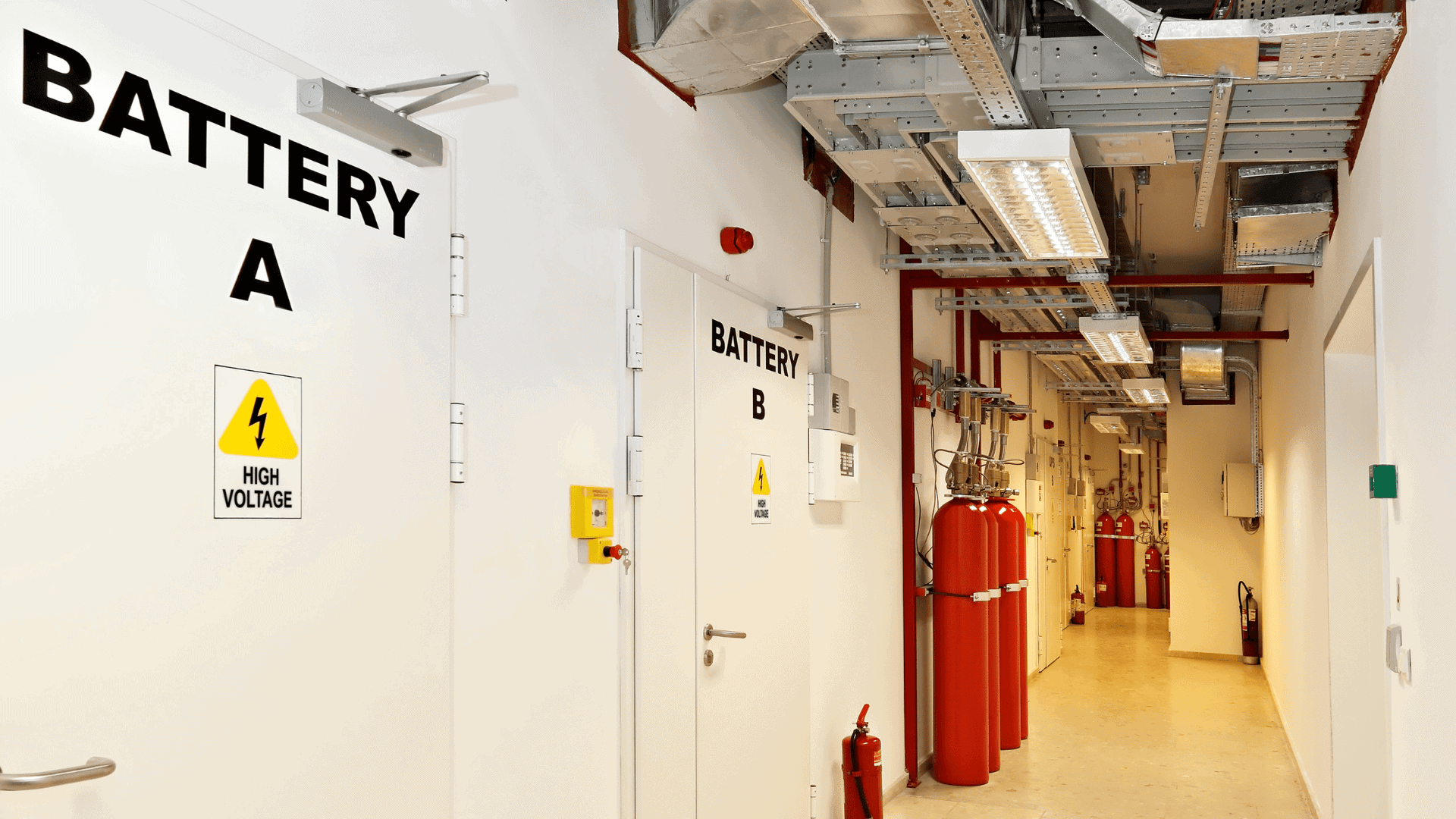
Data centers offer a robust infrastructure designed specifically to handle large volumes of data, ensuring data privacy and compliance with industry regulations. The data center infrastructure, designed according to best practices and standards established by organizations such as the Uptime Institute and the Telecommunications Industry Association, who provide a stable and controlled environment for data storage and processing.
Datacenter facilities incorporate electrical protection systems, backup generators, uninterruptible power supplies, and physical security measures to ensure data center uptime and protect against potential threats.
Types of data centers used by major companies. Enterprise data center
When it comes to data centers, major companies use a variety of options depending on their specific requirements. There are three main types of data centers commonly used in modern business operations: data centers enterprises (premises), data centers public cloud and managed data centers/colocation facilities. In this blog post we will tell you how companies that you surely know have scaled their business to the next level with the help of a datacenter tier 3 certificate.
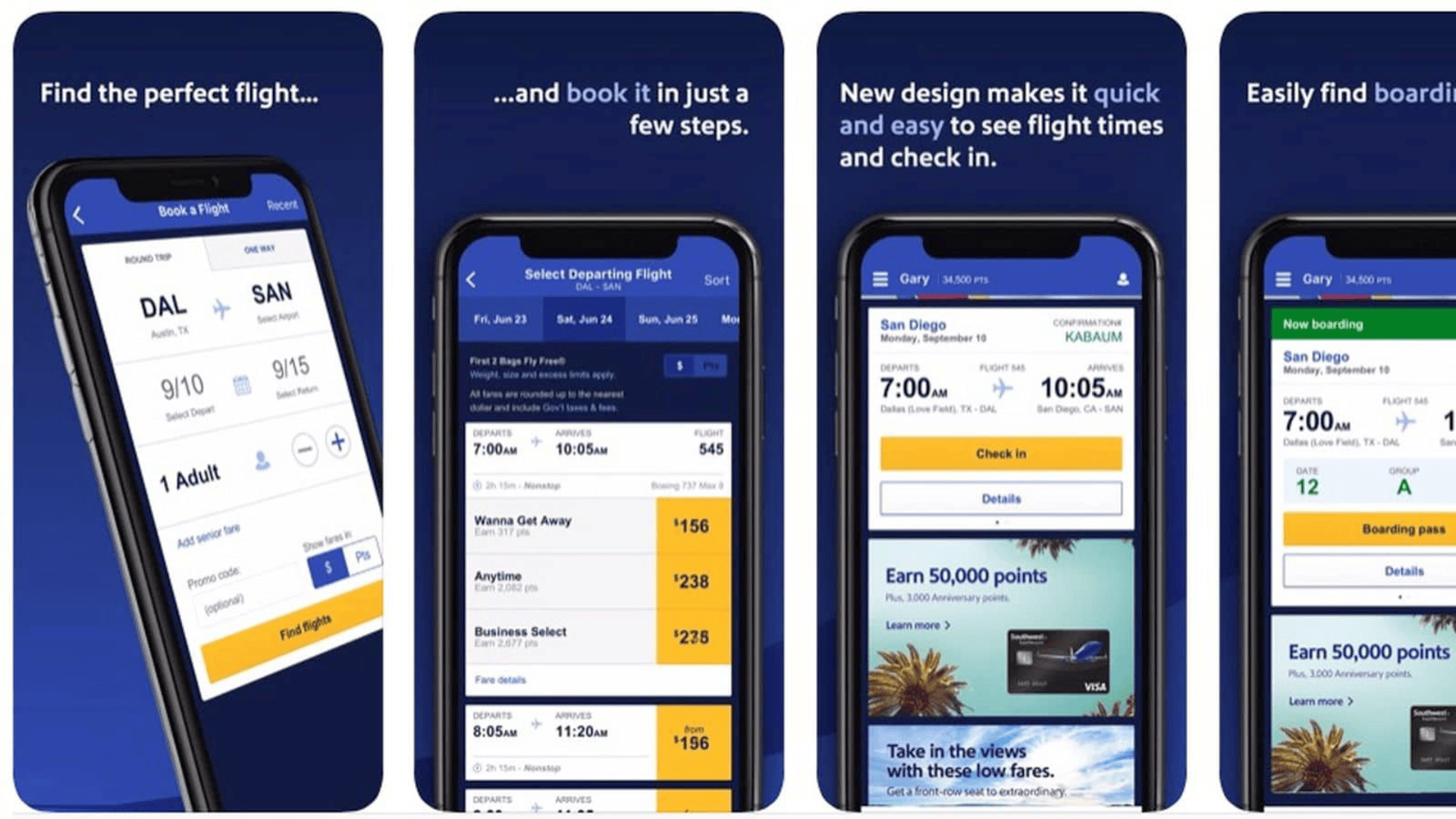
Southwest: The renowned airline expanded application development using the cloud to accelerate the development of new mobile application features. They achieved 4x the average speed in building test instances, resulting in significant savings in production environments by identifying errors during internal testing. All this experience translates into an efficient transactional flow in the iOS and Android applications for purchasing tickets, as well as various flight-related queries.
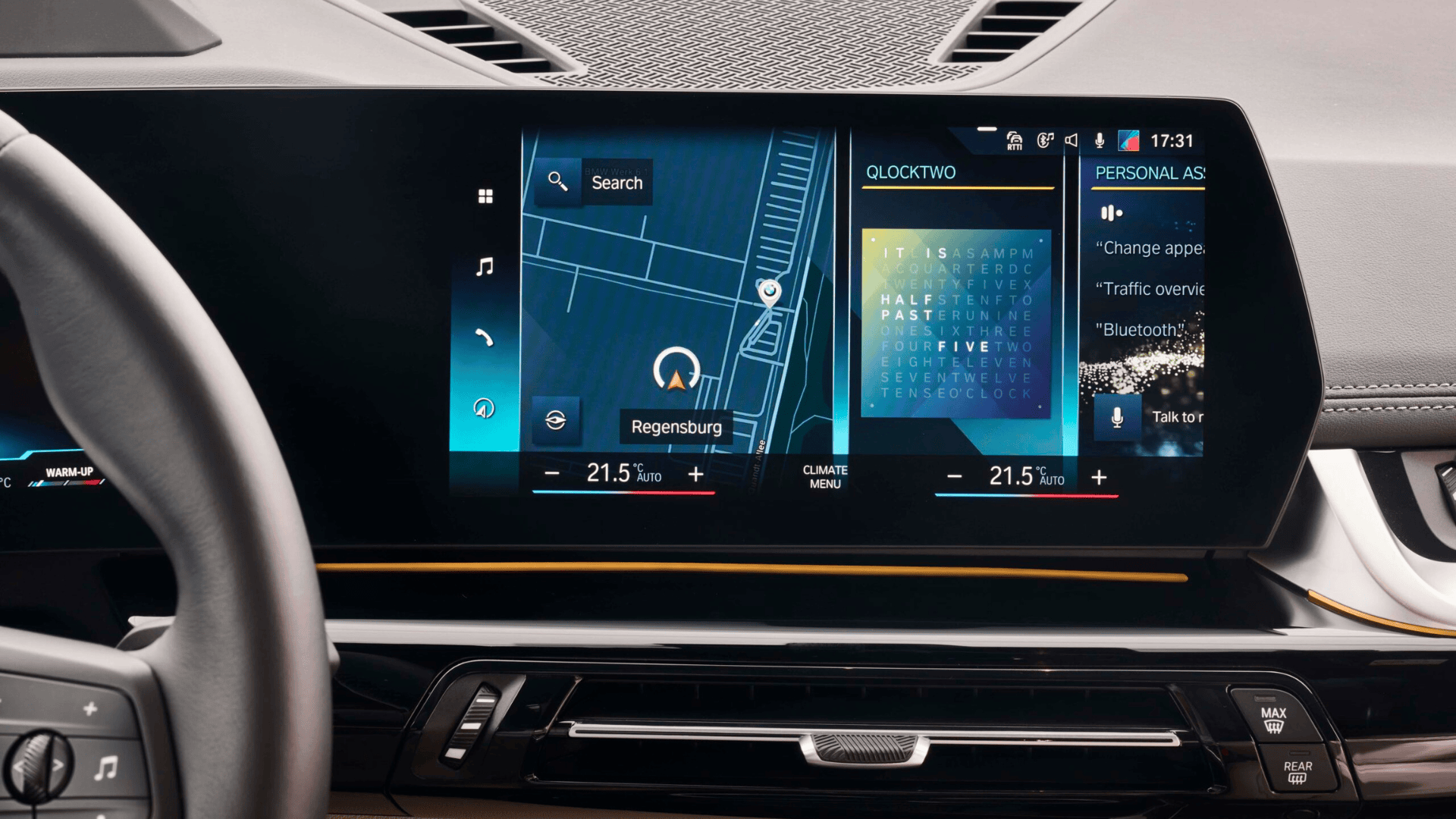
BMW: The Group BMW, known for its world-class luxury vehicles, uses an extensive relationship through cloud services to improve every aspect of automobile design and functionality. The BMW Group portfolio is underpinned by DataTrust cloud-like cloud computing technology, which powers more than 1,000 microservices that process more than 12 billion requests per day, achieving 99.9% reliability. The BMW Group uses elastic cloud services for the development and virtual testing of its infotainment system, and for the improvement of the automated driving platform powered by machine learning.
Canva: Global visual communications company Canva was looking to optimize computing costs after a period of exceptional growth. Canva managed to reduce computing costs by 46 percent using cost optimization tools. The infrastructure team also wanted to empower engineering teams with greater cost insights. That way, development teams wouldn’t have to rely on the core infrastructure team to see how their compute choices affect average monthly users or other metrics that could drive even better decision making.

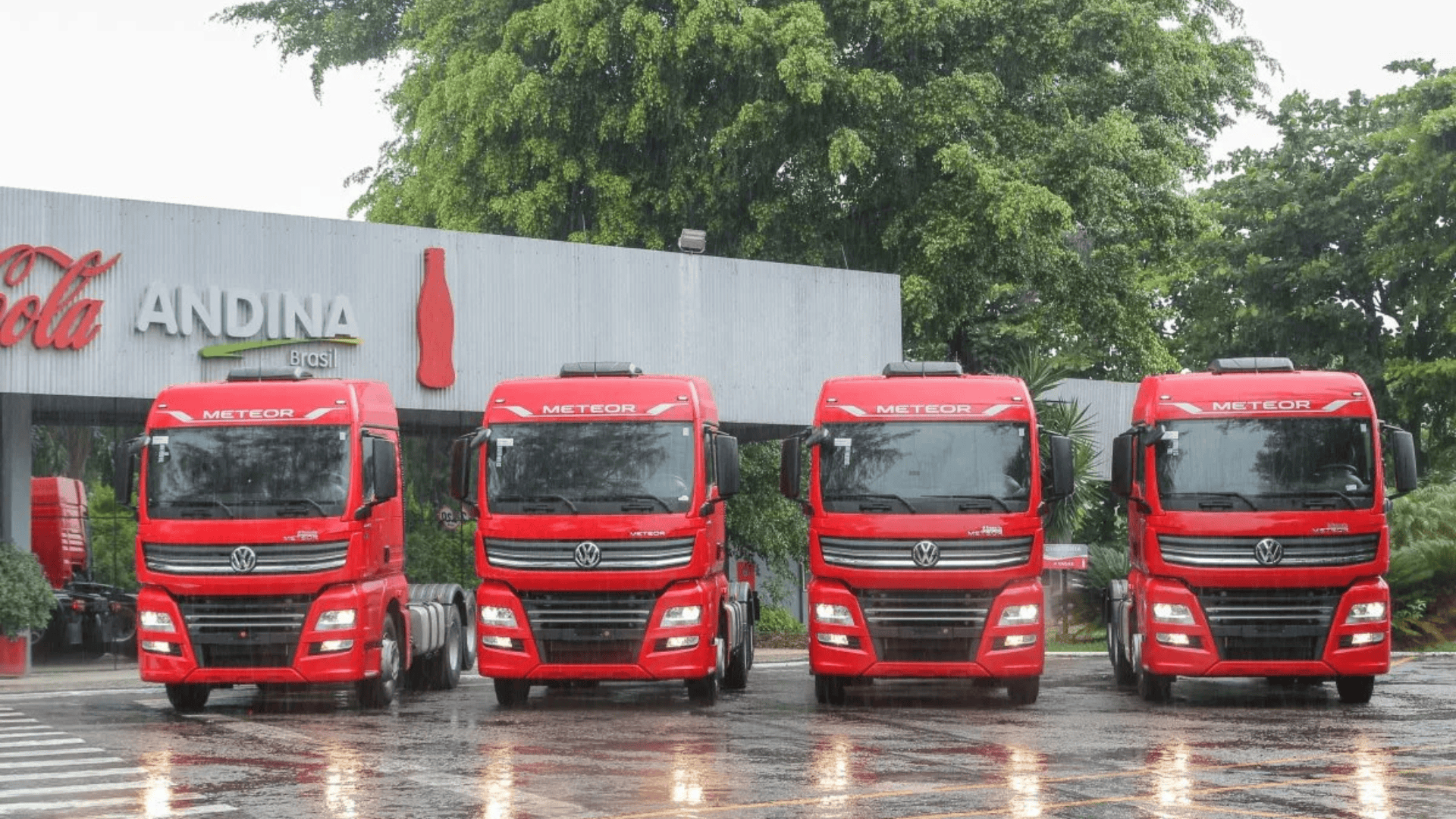
Coca Cola: Coca Cola Andina Beverage bottling company Coca-Cola Andina depends on detailed, up-to-date information to efficiently manage its facilities and the hundreds of trucks that transport its products to customers in four countries. However, the company wanted better visibility into its operations and more actionable data than its on-premises infrastructure could offer. To improve data storage and improve the accessibility of that data throughout the organization, Coca-Cola Andina migrated to a data lake in the cloud. With this updated infrastructure, it then built a custom internal application called Thanos to manage the inventory, distribution, and delivery of its products. With Thanos, Coca-Cola Andina is improving efficiency and customer satisfaction, and improving analytics. But using local storage, the company found it difficult to keep data up-to-date and conveniently accessible to generate useful insights. For example, inventory and delivery analytics data was updated only once a day. The company was unable to make accurate operational decisions based on data that was possibly already 24 hours old.
Nestle: Consumer packaged goods giant Nestlé wanted to accelerate the development of Internet of Things (IoT) solutions across its global business units, including coffee brand Nespresso and pet care brand Nestlé Purina Petcare (Purina). Instead of each business unit building its own offering of IoT, Nestlé set out to build a single centralized framework that could be adopted by numerous brands. Nestlé chose to build the IoT Platform in the cloud to unlock scale and take advantage of serverless architecture. With the IoT Platform available, Nestlé’s business units have been freed to innovate and focus their resources on building differentiated products. At Purina, for example, teams used the IoT Platform to incorporate essential and often complex IoT capabilities, such as device-to-cloud connectivity, data ingestion, security certificate management, and software update management, into their new Smart Litterbox offering, which uses artificial intelligence (AI) to alert people when their cats may need to see the vet. “The IoT Platform was a significant catalyst in gaining buy-in from business stakeholders and offloading complex IoT workflows,” says Ann Scharenberg, director of architecture and services for new business models at Purina. “We are using it to build several new products.”
At Purina, for example, teams used the IoT Platform to incorporate essential and often complex IoT capabilities, such as device-to-cloud connectivity, data ingestion, security certificate management, and software update management, into their new Smart Litterbox offering.
Technological evolution has led to a radical change in business dynamics, highlighting the importance of data centers as catalysts of this transformation.
These data centers are the backbone of modern business operations, providing not only storage and processing power but also the connectivity needed for various applications. Their role is not limited to facilitating internal operations but also extends to ensuring the security and availability of critical data, offering companies a significant competitive advantage. With a robust and highly scalable infrastructure, data centers provide the foundation necessary for innovation and business growth.
The case of leading companies such as Southwest, BMW, Canva, Coca Cola and Nestlé exemplify how the strategic adoption of data centers has boosted their respective sectors. From streamlining application development and cost optimization to improving operational efficiency and product innovation, these companies have capitalized on the ability of data centers to catalyze change and drive competitiveness. With a variety of approaches, including migrating to the cloud, implementing IoT solutions, and creating centralized platforms, these organizations have demonstrated how smart investment in technology infrastructure can lead to tangible and sustainable results.